
We might be asking the wrong question about AI and junior developers. If AI can generate code, write tests, and complete much of the work we once gave to junior developers, do we still need junior developers?
If AI replaces entry-level work, we don’t just gain efficiency; we break the pipeline that produces future engineers. Get this wrong and the damage reaches past this year’s hiring plan, all the way to whether you can produce capable senior engineers at all.
What we’re seeing at KRS
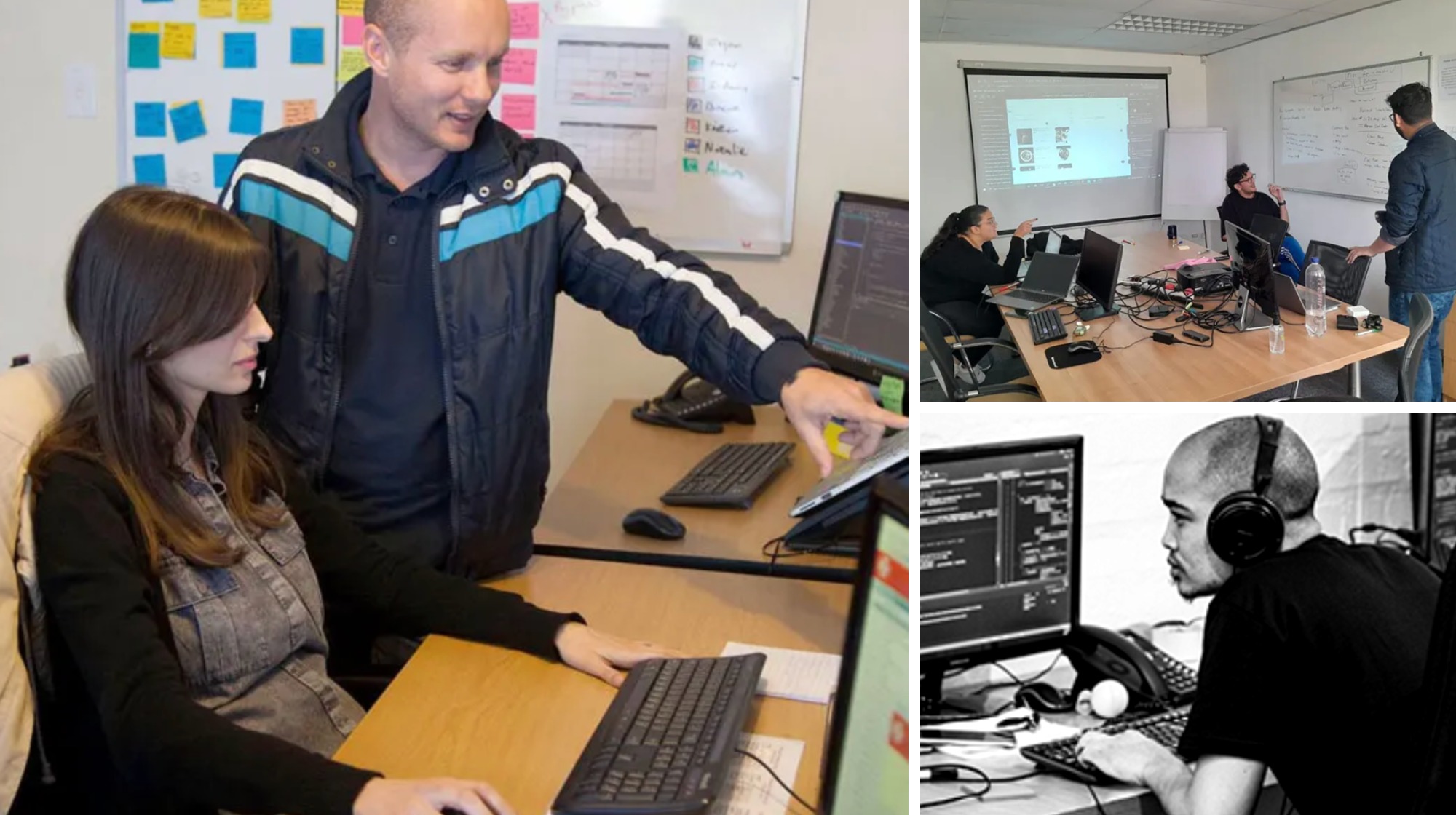
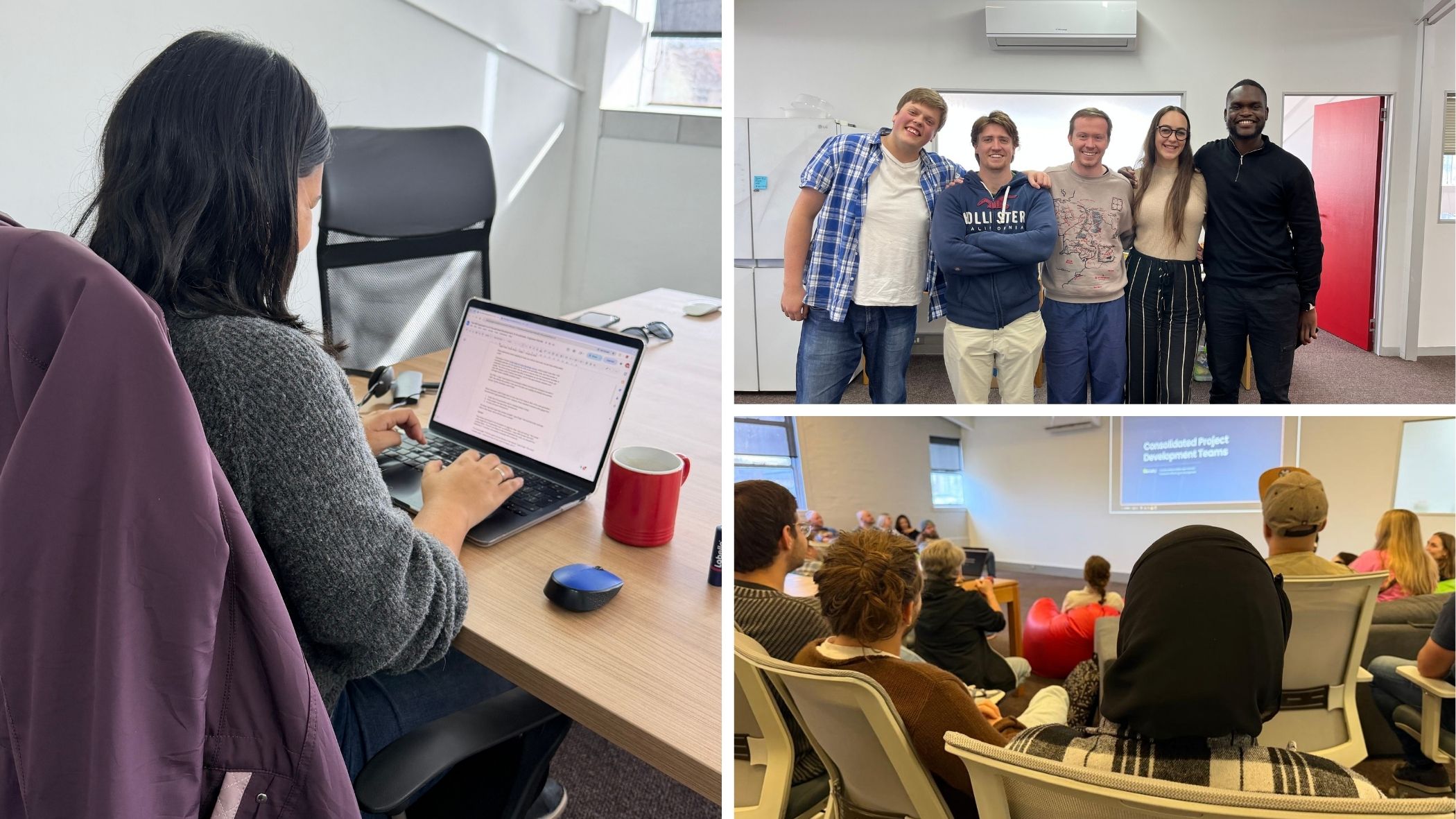
In January 2026, KRS ran its first AI-first internship programme. Ten interns entered an environment where AI wasn’t an optional tool or a later-stage add-on, but a part of our development workflow. They didn’t learn “traditional development first” and “AI-assisted development later.” For them, there was only one way of working.
Six of those ten are now in our delivery teams as junior developers.
What stood out wasn’t dependence on AI, but how naturally they worked within our development teams. They had no old habits to unlearn. They learned to think with AI as part of the environment while staying accountable for what they shipped. And that distinction really matters.
AI isn’t replacing juniors; it’s changing how they learn
For years, junior developers learned through repetition. Fixing bugs. Writing small features. Building intuition through exposure to patterns over time. That repetition trained human judgement.
AI changes that by removing friction, speeding up execution, and producing output that often looks right on the surface. The need to learn stays, but where the learning has to focus changes. Less repetition, more interpretation. Less time producing known patterns, more time understanding context, questioning output, and making decisions under uncertainty.
The scarce skill is moving away from production and toward judgement: knowing whether something is correct in context, whether it solves the right problem, whether it holds up inside a larger system of constraints. That’s a systems-thinking skill, not a syntax one. This calls for a different kind of junior developer – one that can understand what’s being produced, instead of how much they can produce by hand.
Why we interrogate AI rather than trust it
We teach our teams to interrogate AI, test the output, challenge the assumptions, and find the missing context. They must stay accountable for the decision regardless of how it was generated.
Accountability doesn’t change just because the tools have. AI sits inside the system, redistributing work between people and machines, and whenever work is redistributed, learning pathways are reshaped too. That’s the part the current debate keeps missing.
Why this matters in South Africa
Here the question isn’t abstract. According to Statistics South Africa’s latest Quarterly Labour Force Survey, 4.7 million South Africans aged 15-34 were unemployed in the first quarter of 2026. Unemployment among those aged 15-24 remains above 60%.
In that context, entry-level roles are part of how the country builds technical capability. If AI-accelerated software development firms remove those roles because AI can do parts of the work, they reduce the number of people who can ever grow into senior roles. Every architect and technical lead in our industry began as a junior who was given space to learn through real work.
The real question
So the question was never whether AI replaces junior developers, but whether we redesign how juniors become capable in an AI-enabled system, or let short-term efficiency quietly dismantle the long-term pipeline.
The companies that will succeed in the future are the ones redesigning those roles for an AI-accelerated environment, where learning is still possible but different.
The junior developers entering the industry today won’t follow the same trajectory as today’s senior developers. But they’ll need the same foundations: opportunity, mentorship, exposure, responsibility. AI is reshaping how those foundations get built. What it can’t decide is whether we build them deliberately or let the system optimise itself in a way that removes the very conditions that produce future capability.
The real question is whether we’re still building the people who understand what the work is for.
Because in systems, consequences are often delayed. If we remove the conditions that allow people to grow, the effect won’t be visible today. It will appear years from now, when we realise the system is no longer producing the capability we need.