
The world of UX design in 2026 is changing fast. An astonishing array of new tools, shifting user expectations, and rapidly evolving technology mean designers need to adapt and commit to new ways of working and creating.
Indeed, Jakob Nielsen has declared that “2026 marks the end of the “Party Trick” era of Artificial Intelligence and the beginning of the Integration Era.”
AI is no longer a thing of novelty in digital product design, and the time to speculate on its value has long passed. In the face of so much flux, designers often feel an acute sense of urgency to keep up with the UX landscape. This can feel overwhelming, so it helps to approach UX in 2026 with clarity, empathy, and purpose.
Keep calm and play on
Just recently, Figma announced its partnership with Anthropic to turn production code into editable Figma designs (but wait – some people are predicting the fall of Figma!). Tools like Pencil and Google Stitch are soaring in popularity, and it’s no exaggeration to say that AI has become a quiet layer beneath almost every user experience design product.
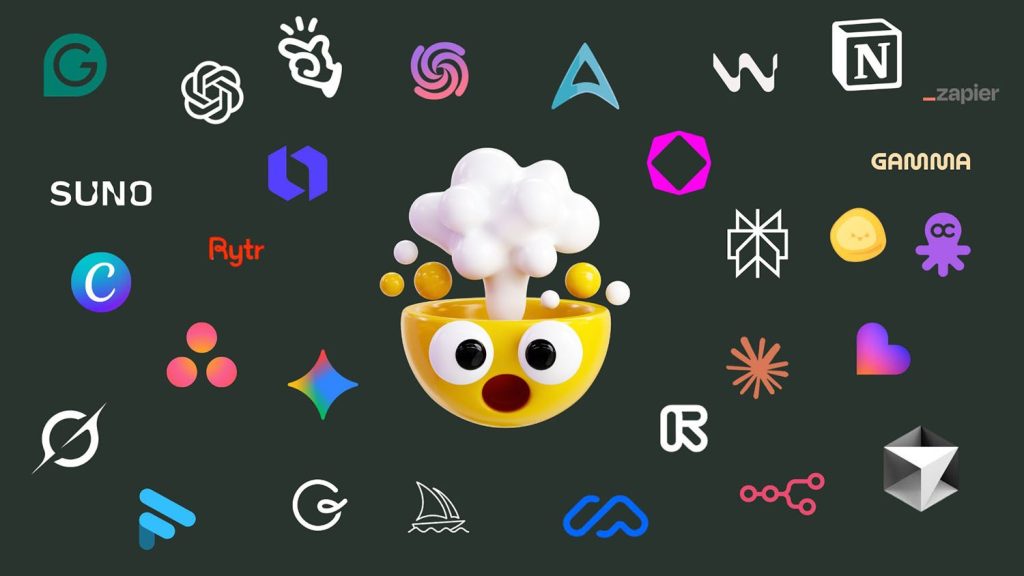
But questions still abound. Which new AI design tool is worth trying? Which tool is going to be an industry standard? Which tool is right for your business? There is a lot of noise, and trying to keep up with the surge in AI-powered UX tools is a mammoth, if not impossible, task.
To avoid feeling overwhelmed, the trick is to stay curious and start small. Don’t chase every new release or drown in information. Real mastery comes from placing AI deliberately within your specific UX design process to remove friction or spark fresh thinking. Instead of following the crowd, target the moments in your day plagued by repetition or mental fatigue. Begin with one or two AI tools for designers that address these pain points.
When you experiment with intention in those specific areas, the process stops being a chore and becomes playful: you’re bending the tech to fit your life, rather than warping your product design workflow to fit the hype. Keeping your hands on the craft is vital, but being mindful of the “why” behind your tools is what keeps you ahead in modern UX practice.
The best AI tools are those that symbiotically align with your workflow, solve specific problems, and integrate smoothly with your existing processes. As the tools change, you will evolve too, one step at a time.
Trust your instincts
AI can generate infinite options. That doesn’t mean users want them, and quantity doesn’t automatically equate to quality.
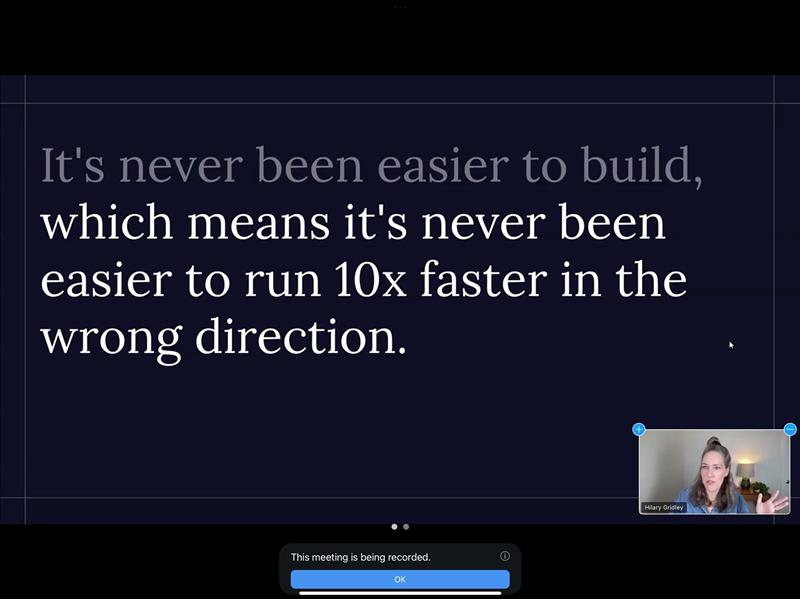
One of the quiet pressures designers face right now is the urge to showcase capability. “Look what it can do!” becomes clutter, fast. Flooding a design space can risk a lack of coherence, increase cognitive load, and pull focus away from core user experience strategy and business goals.
When AI can generate five layouts in a second, the layout stops being the hard part. The real work in UX design is deciding how the system should act. Restraint is becoming a core skill. UX designers should seek to distil the fruits of AI and become masters of careful selection.
Web designer and developer Jim Nielsen observes that:
“In an age of abundance, restraint becomes the only scarce thing left, which means saying “no” is more valuable than ever. I’m as proud of the things I haven’t generated as the things I have.”
The UX designer who can assess AI output with a critical eye and make good decisions will always outperform peers who simply focus on output volume.
A recent article by the Nielsen Norman Group highlights the value in nurturing problem-solving skills:
“As AI-powered design tools improve, the power of standardization will be amplified and anyone will be able to make a decent-looking UI (at least from a distance). If you’re just slapping together components from a design system, you’re already replaceable by AI. What isn’t easy to automate? Curated taste, research-informed contextual understanding, critical thinking, and careful judgment.”
Thoughtful user experience design still requires time. Talk to users. Watch where they hesitate. Notice what they ignore. AI can generate solutions, but it can’t tell you what feels confusing, vulnerable, or intrusive. That still requires human observation.
Keep it real
In a time of neatly packaged summaries and slick overviews, it is so important to retain the skills of critical analysis and not outsource our thinking. Endeavour to seek out authentic opinions and voices, whether that’s in the form of attending talks (check out FEDSA!), participating in discussions, or collaborating with fellow designers. Engaging with the broader UX community builds a perspective that AI cannot replicate.
Fostering one’s craft and creativity also necessitates engaging beyond the algorithmic average. Because AI is trained on what already exists, it tends to produce designs that feel polished but lack soul. To stay inspired in modern digital experience design, you must look where the AI isn’t looking.
Visit interesting places and spaces, participate in a craft, doodle, or read a book. Digital design in 2026 can feel too smooth and predictable. Ground your inspiration in the physical world to find patterns AI can’t simulate. You will be a better UX designer for it and nourish your sense of self.
In conclusion
I love this quote from designer Iona Teleanu:
“You don’t have to have it figured out. You just have to keep going, protect your mind, find your people, and remember that critical thinking, taste, and the ability to solve human problems… those aren’t going anywhere.”
UX design in 2026 is still about people. Technology will keep evolving, but the core of good user experience design remains constant: listen deeply, solve real problems, and create digital experiences that respect and empower users.
Stay curious, stay human, and keep designing with heart.
Recommended further reading:
A fascinating, must-read overview of 18 UX predictions for 2026
The Nielsen Norman Group’s State of UX in 2026
An industry stalwart that continues to provide a font of UX resources
An online tool to explore and compare design tools
The website of Ioana Teleanu, a leading thinker in UX, product design and AI
The website of Luke Wroblewski, a leading thinker in design and AI